Making Tax Digital Software for UK Sole Traders & Landlords
MTD for Income Tax is the biggest change to UK self-employed tax reporting in decades. Countly Books is HMRC-recognised, handles your quarterly submissions automatically, and makes sure you're never late.
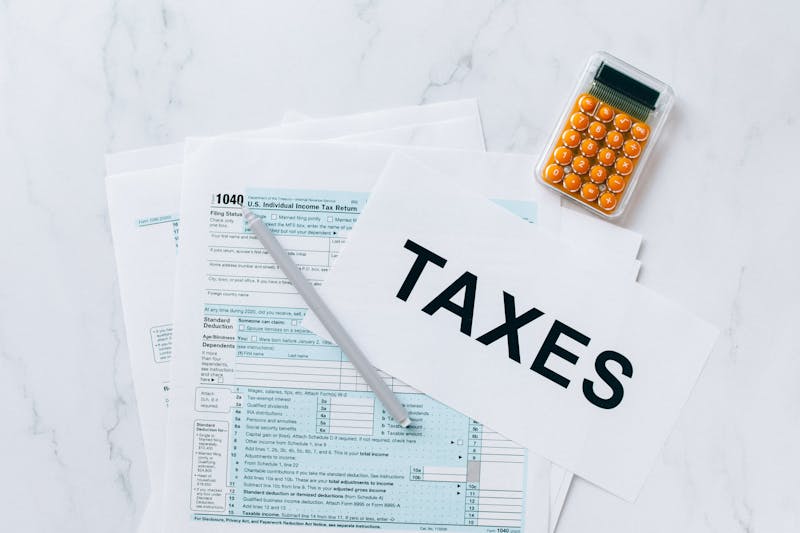
What Is Making Tax Digital for Income Tax?
Making Tax Digital for Income Tax (MTD for ITSA) replaces the traditional annual Self Assessment tax return with a system of quarterly digital reporting. Instead of gathering everything for a single January return, you now:
Keep digital records
Record all income and expenses digitally throughout the year using HMRC-compatible software.
Submit quarterly updates
Send a summary of income and expenses to HMRC every three months.
File a Final Declaration
Confirm your total annual income and finalise your tax liability by 31 January.
MTD Rollout: Who Is Affected?
Gross qualifying income threshold · From April 2026
Gross qualifying income threshold · From April 2027
Gross qualifying income threshold · From April 2028
Important: Qualifying income is your gross income before expenses — from self-employment and property combined. HMRC uses your 2024/25 tax return to determine if you're in scope for April 2026.
MTD Quarterly Deadlines
Submit on time — or accumulate penalty points
Calendar quarter periods also available (ending 31 Jul, 31 Oct, 31 Jan, 30 Apr)
What Happens If You Miss a Deadline?
HMRC uses a points-based penalty system for MTD for Income Tax:
1 penalty point
For each missed quarterly submission
£200 fine
When you accumulate 4 penalty points
Further £200 fines
For each subsequent missed submission
Grace period for 2026/27
HMRC will not issue penalty points for late quarterly updates in the first 12 months for new MTD users. However, penalties for late Final Declarations and late tax payments apply immediately.
How Countly Books Helps
- HMRC-recognised software — submit quarterly updates directly, no bridging software needed
- Automatic transaction categorisation from your bank feeds
- Deadline reminders so you never miss a submission
- Quarterly update generation in minutes — we handle the complexity
- Final Declaration preparation and filing by 31 January
- Full five-year digital record storage as required by HMRC
- UK-based support team who understand MTD inside out
MTD Guidance for Your Business Type
Specific MTD requirements vary depending on your situation
Freelancers & Sole Traders
MTD applies if gross self-employment income exceeds the threshold. Quarterly deadlines, expense tracking and Final Declaration explained.
Landlords
Property income counts towards qualifying income. Find out your obligations, what records you need and how we manage your submissions.
Limited Companies
MTD for Income Tax applies to individuals, not companies. But MTD for VAT is already mandatory. See what compliance looks like for limited companies.
Making Tax Digital — FAQ
Qualifying income is your gross self-employment turnover plus any gross rental income from UK property — combined, before deducting expenses. Employment income (PAYE) and pensions do not count.
Submissions are due 7 August (Q1), 7 November (Q2), 7 February (Q3) and 7 May (Q4). Your Final Declaration is due 31 January each year.
Each missed submission adds one penalty point. Accumulate four points and HMRC issues a £200 fine. A 12-month grace period applies for those joining MTD in April 2026.
The annual Self Assessment return is replaced by a Final Declaration, submitted through your MTD software by 31 January. It covers the same information but is filed differently.
Yes. You can opt for calendar quarter periods (ending 31 July, 31 October, 31 January and 30 April) — Countly Books supports both options.
Get MTD-Ready Today
Whether you're already in scope or preparing for a future phase — start now and build clean records from day one.